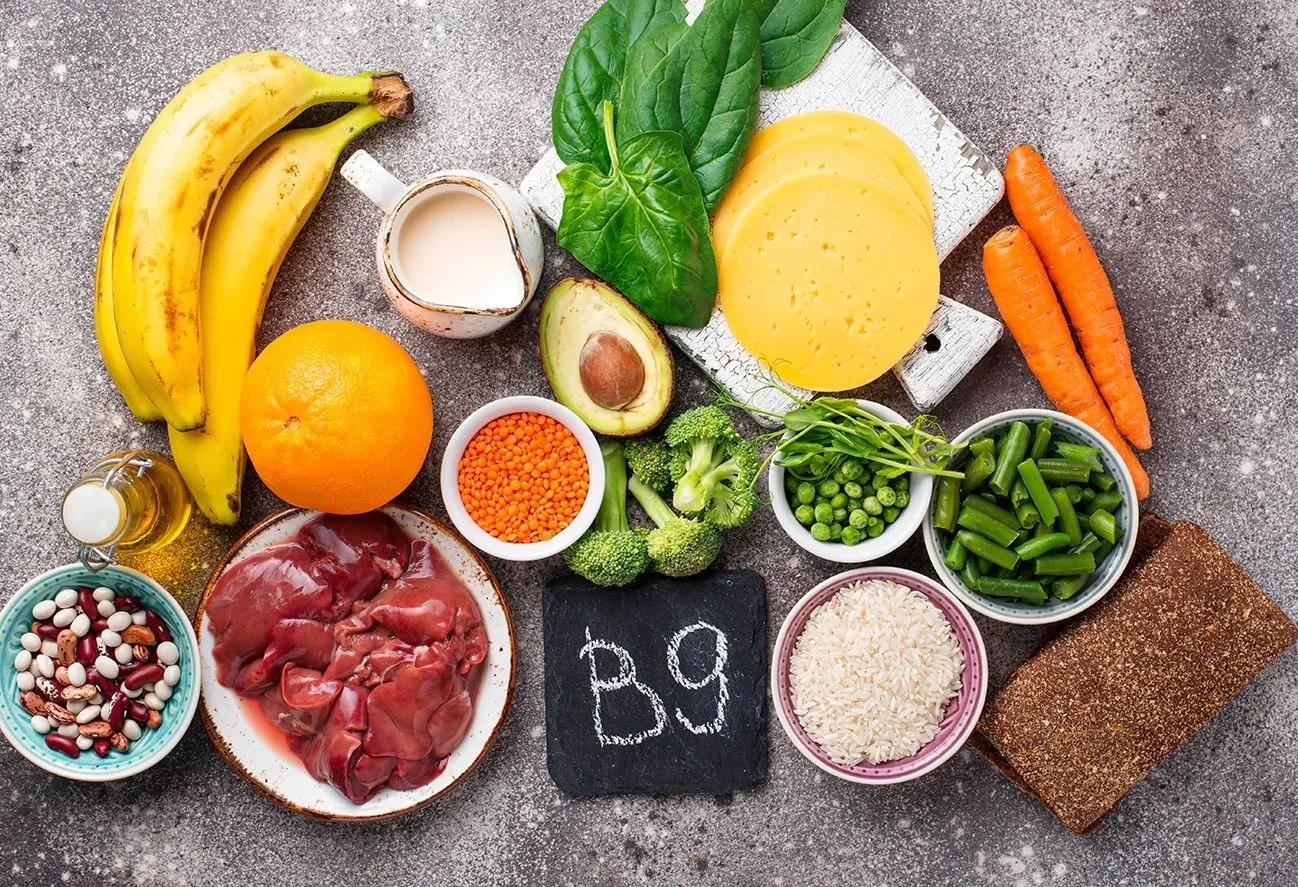
Vitamins are organic compounds that the human body requires in small amounts to support normal physiological processes. Although they are needed only in modest quantities, vitamins play a significant role in maintaining the body’s natural balance and supporting everyday wellness. Because the body cannot produce most vitamins in sufficient amounts on its own, they must be obtained through a balanced and varied diet.
Vitamins are commonly divided into two main groups: water-soluble vitamins and fat-soluble vitamins. Water-soluble vitamins include vitamin C and the group known as B vitamins. These vitamins dissolve in water and are not stored in large amounts in the body, which means they need to be consumed regularly through food. Fat-soluble vitamins, such as vitamins A, D, E, and K, are absorbed with dietary fats and can be stored in the body’s tissues for longer periods.
Each vitamin contributes to different biological processes. For example, some vitamins are involved in supporting the body’s natural energy metabolism, while others help maintain healthy tissues and normal immune function. These roles illustrate how vitamins contribute to the body’s complex network of systems that work together to maintain overall well-being.
A balanced diet typically provides many of the vitamins needed for daily nutrition. Fruits and vegetables are widely recognized as rich sources of various vitamins. Citrus fruits, berries, leafy greens, and colorful vegetables are often included in balanced eating patterns because they contain a wide range of nutrients. Whole grains, dairy products, legumes, nuts, and seeds may also contribute to vitamin intake.
Dietary variety is an important concept in nutrition. No single food contains all the vitamins the body requires. Instead, a diverse diet that includes multiple food groups helps provide a broader range of nutrients. Eating different types of fruits, vegetables, grains, and protein sources can help ensure that the body receives a mixture of vitamins that contribute to everyday nutritional balance.
Food preparation methods can also influence the vitamin content of meals. For example, some vitamins are sensitive to heat or prolonged cooking. Light steaming, baking, or consuming certain foods raw may help preserve some of their natural nutrient content. However, cooking can also improve the digestibility of some foods, so a mixture of preparation styles is often recommended.
Another aspect of vitamin awareness is understanding the role of lifestyle habits. Regular meal patterns and balanced food choices can help support consistent nutrient intake. Skipping meals or relying heavily on highly processed foods may reduce the variety of vitamins in a person’s diet.
Nutrition experts often emphasize the importance of obtaining vitamins primarily from food rather than relying exclusively on supplements. Whole foods contain not only vitamins but also fiber, minerals, and other beneficial compounds that work together in the body. This natural combination of nutrients contributes to a well-rounded nutritional profile.
It is also important to recognize that individual nutritional needs can vary depending on age, activity level, and lifestyle. However, maintaining a balanced diet with a variety of nutrient-rich foods remains one of the most widely recommended approaches to supporting everyday health.
By learning about the role of vitamins and including a variety of foods in daily meals, individuals can develop a more informed and thoughtful approach to nutrition. Over time, these habits can contribute to a more balanced dietary pattern and support overall well-being.
